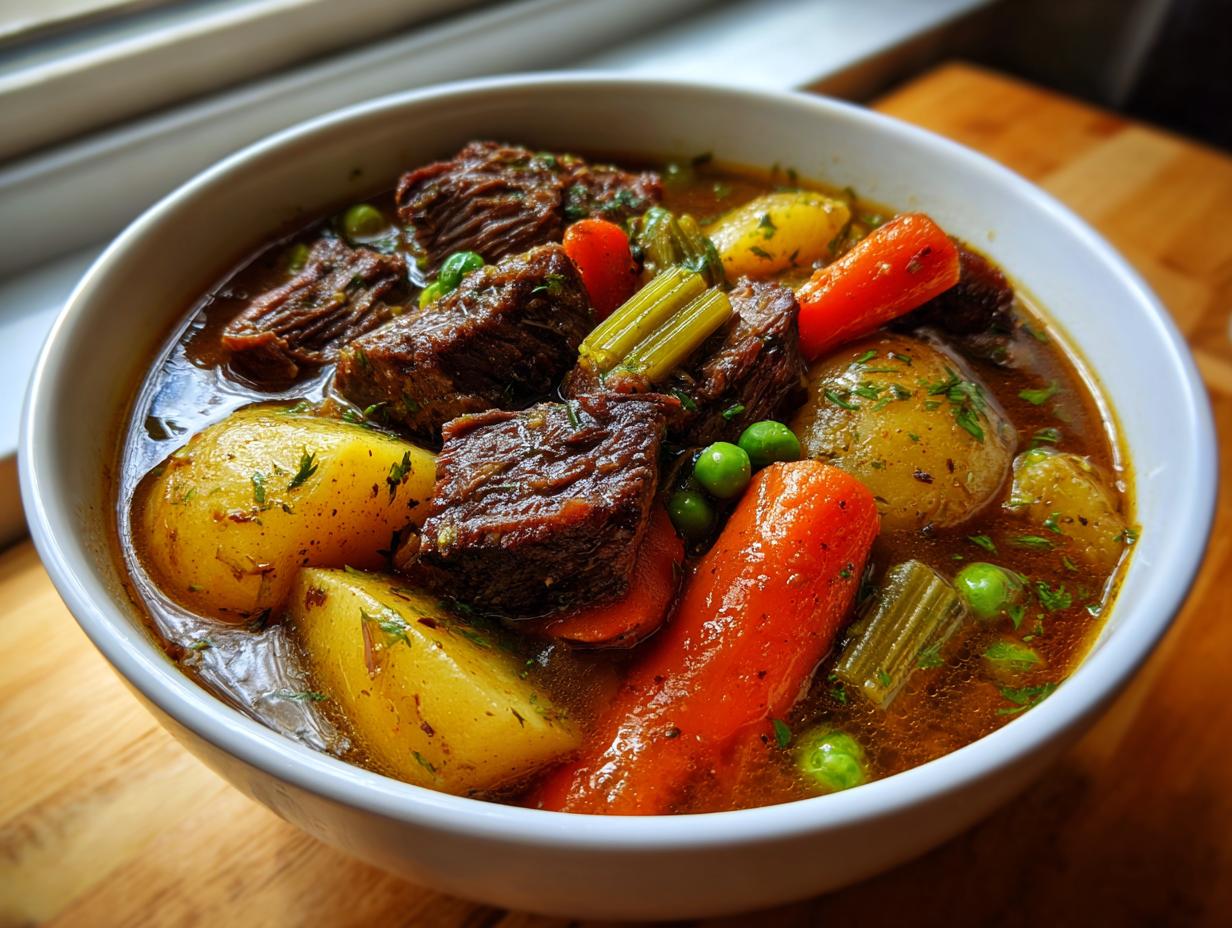
Secret to Amazing Vegetable Beef Soup: Thickened Broth & Tender Beef
When the chill of the season calls for a meal that wraps you in a warm embrace, nothing quite compares to a truly exceptional vegetable beef soup. But not just any soup – we’re talking about a bowl where every spoonful offers melt-in-your-mouth tender beef and a rich, velvety broth that clings to your spoon, delivering layers of savory flavor. Forget watery broths and tough beef; the secret to an unforgettable soup lies in mastering these two crucial elements.
Imagine a fragrant kitchen, filled with the comforting aroma of slow-simmered ingredients, promising a hearty hug in a bowl. This isn't just about cooking; it's about crafting an experience. In this comprehensive guide, we'll dive deep into the techniques and insights that transform simple ingredients into a cozy vegetable beef soup that feels both rustic and refined, with a perfectly thickened broth and beef so tender it practically falls apart.
The Foundation: Achieving Unrivaled Tender Beef
The star of any great vegetable beef soup is, without a doubt, the beef. Its tenderness and flavor set the stage for the entire dish. But how do you ensure your beef transcends from chewy to succulently tender? It begins with selection and proper preparation.
- Choosing the Right Cut: Opt for richly marbled cuts like chuck roast, stew beef, or even short ribs. These cuts, while initially tough, are packed with connective tissue that, when slow-cooked, breaks down into gelatin, resulting in that desirable melt-in-your-mouth texture.
- The Power of Browning: Before any simmering begins, browning your beef is non-negotiable. This isn't just for color; it's about flavor development. The Maillard reaction – the scientific process behind browning – creates hundreds of new flavor compounds, adding incredible depth and complexity to your soup that simply can't be achieved otherwise.
- Heat a large pot or Dutch oven over medium-high heat with a high-smoke-point oil (like vegetable oil) until shimmering.
- Season beef cubes generously with salt and pepper.
- Add beef in batches, ensuring not to overcrowd the pot. Overcrowding lowers the pan temperature, steaming the meat instead of browning it.
- Sear each side until a deep, dark crust forms, about 5-7 minutes per batch.
- Remove browned beef and set aside. The fond (the browned bits left on the bottom of the pot) will be crucial for building flavor in the next step.
- Slow and Steady Wins the Race: Once browned, the beef requires a leisurely simmer. This extended cooking time (typically 1.5 to 2 hours) allows the tough collagen to convert into gelatin, yielding that signature fork-tender texture. Resist the urge to rush this process; patience is key for truly amazing beef.
Mastering the Broth: From Watery to Velvety Rich
A common complaint about homemade vegetable beef soup is a thin, lackluster broth. The secret to a robust, slightly thickened, and incredibly flavorful broth that tastes like it has simmered for days, even if it hasn't, lies in a few strategic additions and techniques.
Key Elements for a Standout Broth:
- Building the Aromatic Base: After browning the beef, use the same pot to sauté your aromatics. Onion, garlic, carrots, and celery are the classic foundation. Sautéing them in the beef drippings until softened and fragrant not only scrapes up the flavorful fond from the bottom of the pot (deglazing) but also sweetens them, creating a savory depth that forms the backbone of your broth.
- The "Secret Ingredient" for Depth: For an unparalleled layer of complexity, consider adding a splash of red wine, beer, or stout. As suggested by culinary experts, this isn't about adding alcohol content (it cooks off during simmering) but about introducing nuanced flavors and acidity that elevate the broth far beyond simple beef stock. It provides character and richness that might otherwise take hours of simmering to achieve. If you prefer to omit it, the soup will still be delicious, but this addition is truly a game-changer.
- Natural Thickening from Within: Instead of relying on a flour slurry (though that’s an option), achieve a gentle thickness naturally:
- Potatoes: As potatoes simmer, some of their starch breaks down into the broth, creating a subtle, creamy texture.
- Reduced Simmering: Allowing the soup to simmer for an extended period, especially with the lid slightly ajar towards the end, enables some of the liquid to evaporate, concentrating flavors and naturally thickening the broth.
- Diced Tomatoes: The pectin in diced tomatoes also contributes to a richer mouthfeel and adds a welcome acidity to balance the beefy richness.
- Quality Beef Broth & Umami Boosters: Start with a high-quality beef broth or stock. Enhance its umami profile with ingredients like Worcestershire sauce, which adds a savory, tangy kick that deepens the overall flavor without being overpowering.
- Herb Infusion: A medley of dried herbs like thyme, basil, and a bay leaf, added early in the simmering process, will infuse the broth with earthy, aromatic warmth. These herbs marry beautifully with the beef and vegetables, creating that signature "old-fashioned" flavor.
The Symphony of Vegetables: Texture, Color, and Nutrition
Beyond the beef and broth, the vegetables are vital for flavor, texture, and visual appeal in your vegetable beef soup. They transform a simple beef stew into a truly hearty and nutritious meal. The key is understanding when to add them for optimal results.
- Hearty Root Vegetables: Carrots and celery are often added early with the aromatics, allowing them to soften and release their natural sweetness into the broth. Potatoes are typically added with the broth and beef, as they require a longer cooking time to become tender and release their starches.
- Vibrant Green Beans: To maintain their vibrant color and a pleasant tender-crisp texture, green beans are usually added during the last 30-45 minutes of simmering. This prevents them from becoming overcooked and mushy.
- Diced Tomatoes: Added at the same time as the broth, diced tomatoes contribute not only flavor and acidity but also a lovely color and subtle body to the soup.
- Customization is Key: Feel free to experiment with other vegetables like peas, corn, or even a handful of spinach during the last few minutes of cooking for added nutrition and variety. The beauty of easy slow-simmered vegetable beef soup is its adaptability.
Step-by-Step Guide to Your Best Vegetable Beef Soup
Transforming these incredible ingredients into a steaming pot of soul-warming soup is simpler than you might imagine. Here’s a streamlined approach to achieving that perfect thickened broth and tender beef:
- Prep Your Ingredients: Gather and chop your beef, onion, garlic, carrots, celery, potatoes, and green beans. Measure out your broth, diced tomatoes, Worcestershire sauce, and dried herbs.
- Brown the Beef: Heat vegetable oil in a large Dutch oven or pot over medium-high heat. Season beef cubes generously with salt and pepper, then brown them in batches on all sides until deeply caramelized (about 5-7 minutes per batch). Remove the beef and set aside.
- Sauté Aromatics & Veggies: In the same pot, add chopped onion and garlic, sautéing for 3-4 minutes until translucent and fragrant. Add the carrots and celery, cooking for another 5 minutes, stirring occasionally, to soften and develop sweetness.
- Deglaze & Combine: If using, pour in your red wine, beer, or stout, scraping up any browned bits from the bottom of the pot. Cook for a few minutes until slightly reduced. Return the browned beef to the pot.
- Add Liquids & Seasonings: Stir in the diced tomatoes, potatoes, beef broth, Worcestershire sauce, thyme, basil, and a bay leaf.
- Simmer to Perfection: Bring the mixture to a gentle boil over medium heat, then reduce the heat to low. Cover the pot and let it simmer for about 1.5 to 2 hours, or until the beef is melt-in-your-mouth tender and the potatoes are easily pierced with a fork. Stir occasionally.
- Add Green Beans & Finish: Add the green beans and continue to simmer, uncovered, for another 20-30 minutes, or until the beans are tender-crisp and the broth has slightly thickened to your desired consistency.
- Taste and Adjust: Remove the bay leaf. Taste the soup and adjust seasoning with more salt and pepper as needed. A final touch of acidity from a splash of red wine vinegar or lemon juice can brighten all the flavors.
Tips for Elevating Your Vegetable Beef Soup Experience
- Embrace the Day-Two Magic: Like many stews and braises, vegetable beef soup often tastes even better the next day as the flavors continue to meld and deepen. This makes it an excellent meal prep option!
- Garnish for Freshness: A sprinkle of fresh, chopped parsley or chives before serving adds a bright, herbaceous finish that contrasts beautifully with the rich, savory broth.
- Serve with Sides: Crusty bread, cornbread, or even a simple side salad are perfect accompaniments for soaking up every last drop of that amazing broth.
- Freezing for Future Comfort: This soup freezes beautifully. Allow it to cool completely, then portion into airtight containers or freezer-safe bags for up to 3 months. Thaw overnight in the refrigerator and reheat gently on the stovetop.
- Don't Fear Your Dutch Oven: A heavy-bottomed Dutch oven is ideal for this recipe, providing even heat distribution for browning and slow simmering.
Crafting an amazing vegetable beef soup with a thickened broth and tender beef is a rewarding culinary journey. By focusing on quality ingredients, understanding the science of browning, and embracing the slow simmer, you unlock a depth of flavor and comfort that truly sets your soup apart. This isn't just a recipe; it's an invitation to savor the simple pleasures of a hearty, homemade meal that nourishes both body and soul. Dive in, and enjoy every chunk and sip of your perfectly crafted soup!
